
Walk through a luxury home in Park City today and you'll notice something different about the conversations taking place.
Buyers still discuss architecture, views, finishes, and location. Those fundamentals remain important. Yet increasingly, the discussion shifts toward topics that would have been uncommon in luxury real estate just a decade ago.
How well does the home support recovery?
How much natural light enters the living spaces throughout the day?
Can residents access trails directly from the property?
Does the design encourage focus, movement, and rest?
The most discerning buyers are no longer evaluating homes solely based on what they contain. They are evaluating how those homes will influence the way they live.
In many ways, luxury real estate is undergoing a quiet transformation. The emphasis is moving away from excess and toward alignment between environment, lifestyle, and well-being.
What People Are Really Buying When They Move to Park City
Spend enough time listening to relocation conversations, community forums, and discussions among current residents, and a consistent theme begins to emerge.
People rarely talk about square footage first.
They talk about time.
They talk about skiing before work. They talk about raising children with access to nature. They talk about mountain biking after a meeting, walking trails from their neighborhood, and spending less time in traffic and more time outdoors.
In many cases, buyers are not leaving one place because they dislike it. They are leaving because they are seeking a different relationship with their daily lives.
What attracts people to Park City is often difficult to quantify on a property brochure. It is the ability to integrate recreation, wellness, work, family, and community into a more seamless experience.
In that sense, the most valuable feature of many Park City properties may not be found within the home itself. It may be found in the lifestyle that begins the moment someone walks out the front door.
That reality is increasingly shaping how buyers define value and, ultimately, how they choose where to live.
A Different Reason People Are Choosing the Mountains
As a Park City native, I have watched this community evolve from a ski destination into one of the country's most sought-after mountain towns.
People still arrive for the scenery and recreation. They still appreciate the skiing, the trail systems, and the four-season lifestyle. What has changed is the motivation behind many relocation decisions.
Today's buyers are often seeking something more intentional.
Many are leaving highly urbanized environments in search of greater balance, access to nature, and a lifestyle that supports long-term health. They are looking for places where outdoor recreation is woven into daily life rather than reserved for weekends or vacations.
In Park City, that lifestyle exists naturally.
Morning trail runs, midday mountain bike rides, afternoons on the golf course, and winter days on the slopes are not special occasions. For many residents, they are simply part of everyday living.
Increasingly, buyers view that accessibility as an investment in quality of life.
The Rise of Wellness-Oriented Design
The luxury market has entered a new era where wellness is no longer defined by a gym tucked into the corner of a home or a spa-inspired bathroom.
Instead, wellness is influencing the entire design philosophy of a property.
Natural light has become a priority because buyers understand its impact on mood, productivity, and daily rhythms. Air quality systems, humidity control, and advanced filtration have become more common as homeowners place greater emphasis on their living environment.
Architects are creating stronger connections between indoor and outdoor spaces, allowing residents to remain visually and physically connected to nature throughout the year. Materials are selected not only for aesthetics but also for how they contribute to a sense of calm, warmth, and comfort.
Dedicated wellness spaces have also become increasingly desirable. Home fitness studios, yoga rooms, infrared saunas, cold-plunge installations, recovery spaces, and meditation areas are appearing in luxury homes across Park City and the Wasatch Back.
These features are not simply amenities. For many buyers, they are viewed as tools that support performance, longevity, and overall well-being.
The Growing Importance of Recovery
One of the most interesting shifts occurring in luxury real estate is the growing focus on recovery.
For years, conversations centered around productivity, achievement, and activity. Today, there is a greater recognition that recovery is equally important.
This mindset is particularly relevant in mountain communities where residents often maintain active lifestyles throughout the year.
Whether skiing in winter, cycling in summer, hiking local trails, or balancing demanding professional schedules, recovery has become a meaningful component of daily life.
As a result, buyers increasingly value homes that provide opportunities to recharge.
Quiet outdoor spaces, private courtyards, wellness suites, soaking tubs, saunas, and thoughtful primary retreats are becoming central features of modern luxury design.
The most desirable homes are often those that create a sense of restoration the moment residents walk through the door.
Lifestyle Infrastructure Is Becoming a Form of Scarcity
Perhaps the most significant shift in today's market is the growing importance of what exists beyond the property itself.
Historically, value was often measured by the home alone. Today, buyers are evaluating an entire lifestyle ecosystem.
Access to trail networks.
Proximity to ski terrain.
Walkability.
Open space.
Fitness and wellness resources.
Community amenities.
Year-round recreational opportunities.
These elements collectively form what can be described as lifestyle infrastructure.
In Park City, lifestyle infrastructure is one of the region's most valuable assets.
Whether it is direct access to the extensive trail system, skiing from Empire Pass, proximity to Deer Valley East Village, cycling routes throughout the Wasatch Back, or the recreational opportunities surrounding Jordanelle Reservoir, buyers increasingly evaluate how seamlessly a property integrates with their preferred lifestyle.
Unlike interior finishes that can be renovated or upgraded, access to these experiences is often limited by geography itself.
That scarcity creates value.
Why Park City Sits at the Center of This Trend
Few markets are positioned as naturally as Park City to benefit from the convergence of wellness and real estate.
The community offers a rare combination of outdoor accessibility, luxury housing, strong infrastructure, and a culture that prioritizes recreation and health.
For many residents, wellness is not a separate activity. It is embedded into the rhythm of daily life.
The ability to step outside and immediately access trails, ski terrain, open space, and mountain landscapes creates a living experience that is increasingly difficult to replicate in larger metropolitan markets.
As remote work continues to provide flexibility and buyers become more intentional about where they spend their time, communities that support both performance and recovery are likely to remain highly desirable.
Park City stands out because it delivers both.
What Luxury Means Going Forward
For decades, luxury was measured primarily by what a home contained.
More square footage.
More amenities.
More features.
Today, the definition is evolving.
Increasingly, luxury is measured by what a home enables.
It is the ability to access nature without effort. To recover after an active day. To work productively while remaining connected to the outdoors. To live in a way that feels healthier, more balanced, and more intentional.
The homes generating the strongest interest are often not those offering the most excess, but those creating the strongest alignment between environment and lifestyle.
That shift is reshaping demand throughout Park City and the broader Wasatch Back.
Wellness, performance, and real estate are no longer separate conversations.
They are becoming part of the same decision-making framework.
In Park City, buyers are increasingly seeking more than beautiful homes. They are seeking environments that support how they want to live, move, recover, and spend their time.
As this evolution continues, the most enduring form of luxury may not be defined by what a property has, but by how it makes life feel every day.
The Communities Being Built Today Reflect the Buyers of Tomorrow
One of the clearest indicators that wellness-driven living is more than a passing trend can be found in the communities being developed throughout the Wasatch Back.
Developers are increasingly recognizing that buyers are not simply purchasing homes. They are purchasing access to experiences, relationships, and daily routines that contribute to overall quality of life.
This shift is influencing everything from master planning and community amenities to trail connectivity and open-space preservation.
In many luxury communities, the most valuable asset is no longer confined to a property's boundaries. Instead, value extends into the broader environment surrounding the home.
Miles of interconnected trails, preserved natural landscapes, community gathering spaces, wellness-focused amenities, recreational opportunities, and thoughtful transportation planning have become central components of modern development strategy.
The goal is no longer simply creating a collection of homes. The goal is creating a lifestyle ecosystem.
This approach is particularly visible throughout Park City and the surrounding Wasatch Back, where many newer communities are being designed around access to nature rather than separation from it.
Open space is often prioritized alongside development.
Trail systems are integrated directly into neighborhoods.
Outdoor recreation is considered a daily convenience rather than a destination activity.
Wellness amenities are positioned as essential infrastructure rather than luxury upgrades.
These decisions reflect a broader understanding that future buyers are likely to place increasing value on experiences that improve daily living.
Investment Potential Through a Different Lens
As buyer preferences evolve, investors and homeowners alike are beginning to evaluate properties through a broader framework.
Historically, investment analysis focused heavily on metrics such as location, appreciation trends, rental performance, and inventory levels. While these fundamentals remain important, an additional layer of consideration is emerging.
How resilient is the lifestyle being offered?
Properties located near permanent lifestyle assets often possess advantages that extend beyond market cycles.
Trail systems cannot be replicated.
Mountain views cannot be manufactured.
Ski access remains inherently limited.
Protected open space creates long-term scarcity.
These characteristics contribute to enduring desirability because they are difficult, and often impossible, to recreate elsewhere.
As a result, properties that offer direct access to lifestyle infrastructure may continue to command strong interest as future buyers prioritize wellness, recreation, and quality of life.
While no market outcome can ever be guaranteed, the underlying forces driving demand appear increasingly connected to lifestyle preferences rather than purely economic considerations.
The desire for connection to nature, outdoor recreation, community engagement, and personal well-being has demonstrated remarkable consistency across demographic groups and market segments.
In that sense, some of the most valuable real estate assets may not be defined solely by the home itself, but by the experiences available just beyond the front door.
A New Standard for Legacy Ownership
For many luxury buyers, the conversation has also expanded beyond immediate lifestyle benefits.
Increasingly, families are considering how a property may serve multiple generations.
They are asking whether a home can create traditions, encourage outdoor activity, foster family connection, and provide a meaningful gathering place for years to come.
In mountain communities, this perspective often carries particular significance.
Children learn to ski together.
Families spend summers exploring trails and lakes.
Multiple generations gather for holidays, recreation, and shared experiences that become part of family history.
When viewed through this lens, ownership becomes about more than real estate.
It becomes about creating a foundation for experiences that may outlast any individual market cycle.
That perspective helps explain why many buyers are willing to invest heavily in communities that support not only financial objectives, but personal values as well.
The future of luxury real estate may ultimately be defined by properties that succeed in delivering both.
FROM OUR BLOG


Dine About Park City 2026: A Month of Culinary Luxury in the Wasatch Mountains
Dine About Park City 2026: A Month of Culinary Luxury in the Wasatch Mountains As autumn settles into the Wasatch Mountains, Park City enters one of its most anticipated seasonal rhythms. Crisp air, golden aspens, and a slower mountain pace set the backdrop for Dine About Park City 2026, running Oct
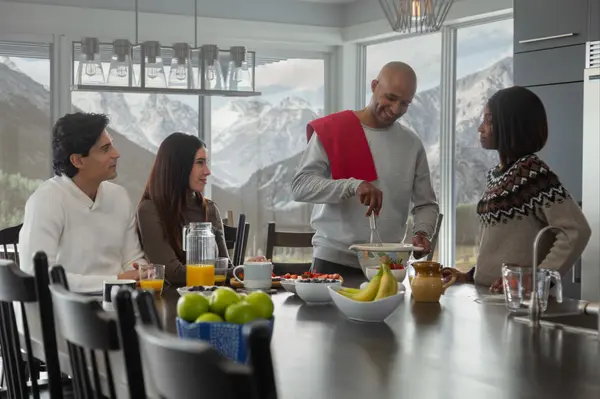
The Wellness Culture Emerging in Park City Homes
While wellness real estate is still an emerging category without formal MLS classification, market behavior in Park City is already reflecting its influence. A significant share of new luxury construction is custom-built, private club communities are expanding wellness programming, and high-net-wort
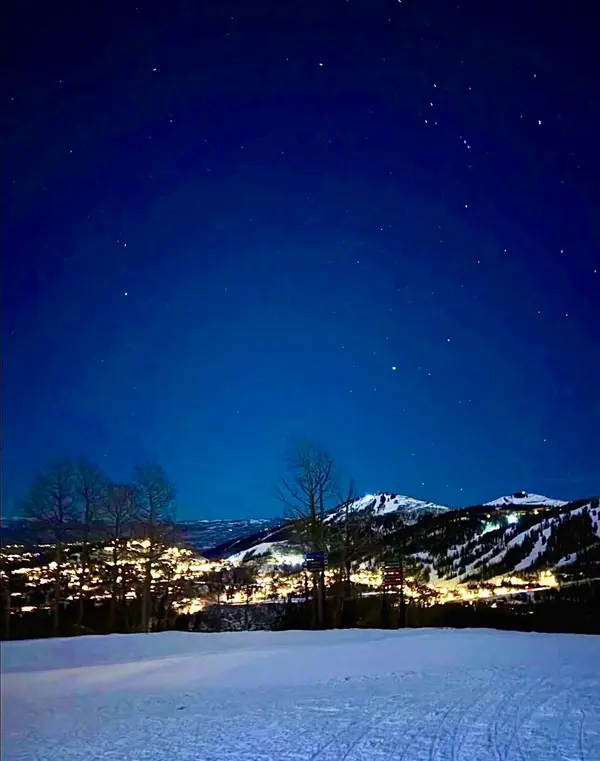
Why Price Per Square Foot Tells a Bigger Story Than Price Alone
Two luxury homes can sell for the same price in Park City and represent entirely different levels of value. One may offer direct ski access, protected mountain views, and architectural significance. Another may provide similar square footage but lack the location, privacy, or lifestyle attributes th