
The second quarter of 2026 marks an important evolution in Park City's luxury real estate market. While the market continues to demonstrate resilience, the forces driving buyer behavior have shifted considerably from previous years. Urgency has largely been replaced by discernment. Competition still exists, but it is no longer broad-based. Instead, demand is concentrating around properties that offer a compelling combination of location, design, lifestyle functionality, and long-term value.
The result is a luxury market that feels increasingly sophisticated. Buyers remain active, but they are evaluating opportunities through a more analytical lens. Sellers continue to achieve strong outcomes when properties are positioned appropriately, yet the margin for error has narrowed.
What emerges is a market that is not slowing so much as maturing.
Luxury No Longer Operates as a Single Market
One of the most notable developments throughout 2026 is the growing separation between luxury market segments.
Historically, broad neighborhood demand often lifted nearly all luxury inventory simultaneously. Today, performance is increasingly tied to the specific attributes of an individual property.
Homes offering direct ski access, protected mountain views, exceptional privacy, significant acreage, or architecturally distinctive design are attracting substantially different levels of interest than properties lacking those characteristics.
This shift has created a collection of micro-markets throughout Park City, where outcomes vary considerably even within the same community.
A residence with true ski access in Deer Valley may experience dramatically different buyer activity than a similarly priced home located only minutes away. Likewise, newly completed contemporary mountain homes are often competing in an entirely different demand category than older luxury properties requiring updates.
The market is increasingly rewarding differentiation.
A Redefinition of Luxury
Luxury buyers today are evaluating homes differently than they were even a few years ago.
While location remains important, it is no longer sufficient on its own. Buyers are placing greater emphasis on the complete ownership experience.
Features consistently commanding attention include:
- Direct ski access or immediate proximity to resort infrastructure
- Architectural relevance and timeless design
- Wellness-oriented amenities
- Flexible spaces for remote work
- Privacy and protected view corridors
- Turnkey condition requiring minimal future investment
- Ease of ownership and maintenance
Increasingly, luxury purchasers are seeking homes that function seamlessly as both retreat and residence. The distinction between primary and secondary home ownership continues to blur as more buyers spend extended periods in mountain communities throughout the year.
Economic Influences Continue to Shape Decision-Making
Several broader trends continue to influence luxury purchasing activity.
Interest rates remain relevant, particularly among buyers utilizing financing or evaluating opportunity cost. While ultra-high-net-worth purchasers may be less dependent on financing, higher borrowing costs have reduced some speculative activity and encouraged more disciplined negotiations.
At the same time, lifestyle-driven migration remains a meaningful factor.
Park City continues to attract buyers seeking access to outdoor recreation, a strong sense of community, proximity to major transportation corridors, and the flexibility afforded by hybrid work arrangements.
Unlike the migration surge experienced earlier in the decade, today's movement appears more deliberate. Buyers are conducting extensive research, spending more time evaluating options, and often comparing multiple luxury markets before making purchasing decisions.
Park City Is Competing on a Global Stage
Perhaps the most significant change in buyer behavior is the scope of comparison.
Luxury consumers are no longer evaluating Park City solely against other Utah destinations. Many are actively comparing opportunities across premier mountain and resort markets.
Common comparison points include:
- Aspen
- Jackson Hole
- Lake Tahoe
- International mountain destinations throughout Europe and Canada
As a result, buyer expectations regarding architecture, amenities, technology integration, wellness offerings, and overall presentation have risen considerably.
Properties are no longer competing solely against local inventory. They are competing against a global portfolio of lifestyle options.
The Return of Pricing Discipline
One of the clearest themes throughout 2026 has been the importance of pricing accuracy.
Well-positioned properties continue to generate meaningful engagement, particularly within highly sought-after ski-access corridors. However, listings introduced above market expectations are encountering resistance more quickly than in prior years.
Today's luxury buyers arrive armed with extensive information. Historical sales data, price-per-square-foot comparisons, replacement cost analysis, and competing inventory are all part of the decision-making process.
This has produced a notable behavioral shift.
Buyers are increasingly negotiating based on perceived value rather than emotional attachment alone.
For sellers, this means the pricing conversation must extend beyond the property itself. It must clearly articulate why the home deserves its position within the broader luxury marketplace.
Inventory Is Telling Two Different Stories
Inventory conditions vary significantly depending on product type and location.
Scarcity Persists in Premier Ski Locations
Many of Park City's most desirable ski-access neighborhoods continue to experience structural supply limitations.
Geographic constraints, limited developable land, and elevated replacement costs help support long-term value in these areas.
While inventory does periodically increase, truly exceptional ski-access opportunities remain relatively uncommon.
This scarcity continues to provide insulation for highly desirable properties.
Expanded Choice in the Luxury Attached Segment
At the same time, buyers have gained more options among luxury condominiums and townhomes.
New development activity, particularly surrounding expansion areas and resort-adjacent villages, has introduced additional inventory into the marketplace.
This increased supply has created more opportunity for buyers while also increasing the importance of product differentiation.
Finishes, amenity packages, HOA structures, rental flexibility, and overall ownership experience are becoming major points of comparison.
Ultra-Luxury Remains a Specialized Category
The market above $10 million continues to operate under its own set of dynamics.
Transaction volume remains limited, yet demand persists for truly exceptional assets.
These buyers are often evaluating legacy ownership opportunities rather than conventional residential purchases. Architectural significance, irreplaceable locations, privacy, acreage, and long-term generational appeal frequently become deciding factors.
In this segment, quality tends to outweigh quantity.
What Buyers Are Prioritizing Today
Conversations with luxury buyers increasingly revolve around lifestyle integration rather than seasonal recreation alone.
Many purchasers are evaluating questions such as:
Can this property comfortably support extended stays throughout the year?
Does the home provide adequate workspace, storage, and functionality for modern living?
How easily can ownership be managed when traveling?
Does the property offer meaningful access to recreation, dining, wellness, and community experiences?
These considerations reflect a broader shift toward what many industry professionals describe as "secondary primary residence" ownership.
The home is no longer viewed simply as a vacation property. It is increasingly viewed as an extension of everyday life.
Looking Toward the Second Half of 2026
As the market progresses through the remainder of the year, several themes are likely to remain influential.
Properties offering a combination of ski access, architectural distinction, privacy, and turnkey condition are expected to continue attracting strong interest.
Listings lacking clear differentiation may encounter greater negotiation pressure and longer marketing timelines.
Presentation quality will likely become increasingly important. Professional staging, thoughtful marketing, compelling storytelling, and strategic positioning are playing a larger role in buyer engagement than they did during the rapid appreciation years.
Most importantly, luxury buyers appear poised to remain highly selective.
The defining question is no longer simply whether a property is luxurious.
The question is whether it earns its place within a sophisticated global portfolio of lifestyle-driven real estate assets.
The Bottom Line
Park City's luxury real estate market in Q2 2026 reflects a market entering a new phase of maturity.
Demand remains present. Wealth continues to flow into premier lifestyle destinations. The long-term appeal of mountain living remains intact.
What has changed is the level of scrutiny applied to every opportunity.
In today's environment, success is increasingly determined by positioning, presentation, pricing discipline, and a property's ability to stand apart from competing options.
For buyers, this creates opportunities to identify value within an increasingly nuanced landscape. For sellers, it reinforces the importance of thoughtful strategy and market expertise.
The era of broad-based luxury appreciation has evolved into something more refined: a market where distinction matters, and where exceptional properties continue to define the standard.
Park City Luxury Real Estate Insight Series
FROM OUR BLOG


Dine About Park City 2026: A Month of Culinary Luxury in the Wasatch Mountains
Dine About Park City 2026: A Month of Culinary Luxury in the Wasatch Mountains As autumn settles into the Wasatch Mountains, Park City enters one of its most anticipated seasonal rhythms. Crisp air, golden aspens, and a slower mountain pace set the backdrop for Dine About Park City 2026, running Oct
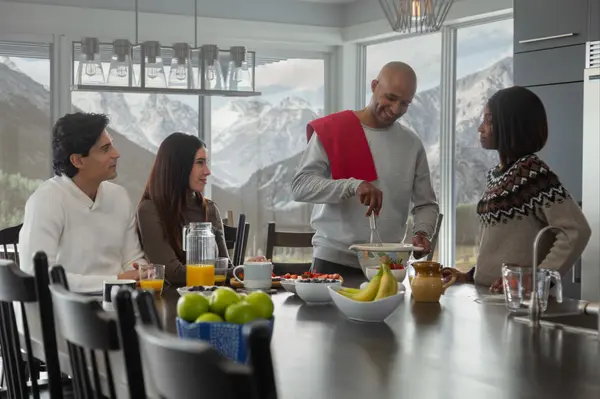
The Wellness Culture Emerging in Park City Homes
While wellness real estate is still an emerging category without formal MLS classification, market behavior in Park City is already reflecting its influence. A significant share of new luxury construction is custom-built, private club communities are expanding wellness programming, and high-net-wort
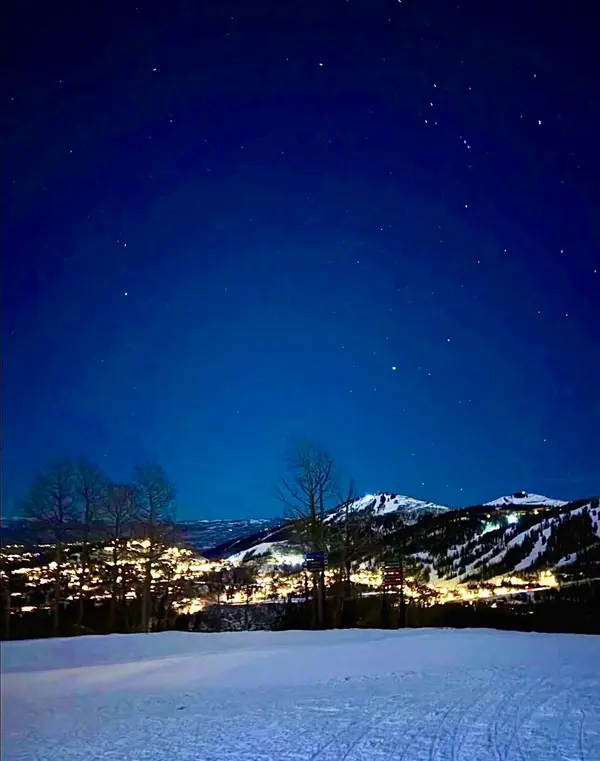
Why Price Per Square Foot Tells a Bigger Story Than Price Alone
Two luxury homes can sell for the same price in Park City and represent entirely different levels of value. One may offer direct ski access, protected mountain views, and architectural significance. Another may provide similar square footage but lack the location, privacy, or lifestyle attributes th