
Second home ownership in Park City is undergoing a structural transformation that is reshaping both buyer behavior and long-term property expectations. What was once defined by seasonal visitation patterns and ski-focused getaways has steadily evolved into something more integrated, more intentional, and far more lifestyle-driven.
For many owners, the idea of a “vacation home” no longer reflects how the property is actually used.
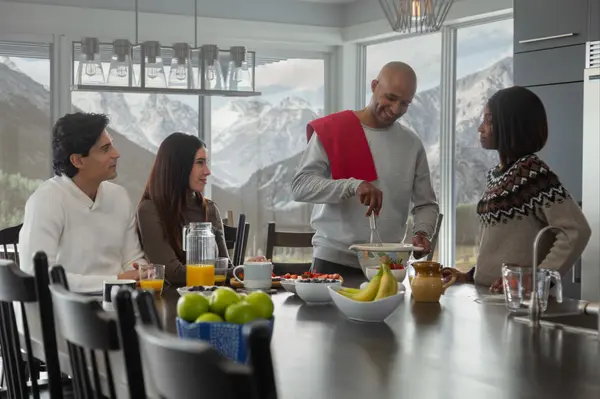
Today, second homes are increasingly functioning as hybrid residences, blending work, wellness, recreation, and extended seasonal living into a single place that supports a more flexible way of life.
Changing Usage Behavior
One of the most significant shifts in second home ownership is how often owners are actually present in their properties.
This change is largely driven by a combination of lifestyle and infrastructure improvements:
Remote work flexibility has allowed owners to extend their stays far beyond traditional vacation windows. Many are now structuring their schedules around seasonal rhythms rather than fixed office locations.
Improved travel access through Salt Lake City has made arrival and departure significantly more seamless, especially for West Coast and national buyers.
Lifestyle prioritization has become a defining factor, with more individuals choosing environments that support wellness, outdoor access, and slower, more intentional living.
As a result, emotional attachment to these homes has deepened. Properties are no longer “visited.” They are lived in, maintained, and emotionally integrated into year-round routines.
This shift also raises expectations. Owners are no longer content with occasional usability. They expect full functionality across all seasons, from winter readiness to summer livability.
Cost and Ownership Considerations
With increased usage comes increased responsibility. Second home ownership in mountain environments now requires a more comprehensive understanding of long-term costs and operational complexity.
Beyond the initial purchase price, owners are increasingly evaluating:
- Property management demands during heavy winter seasons, where snow load, access, and heating systems require consistent oversight
- HOA structures in luxury communities, which can significantly influence lifestyle experience, privacy, and maintenance standards
- Year-round maintenance requirements unique to mountain environments, including roof care, drainage, landscaping, and seasonal preparation
These considerations are not secondary anymore. They are central to purchase decisions.
Buyers are asking more informed questions earlier in the process. How the home functions in February matters just as much as how it shows in July.
This shift is also influencing how luxury properties are designed, marketed, and managed. Ease of ownership is becoming just as valuable as aesthetic appeal.
Market Reality: The Hybrid Home Era
The definition of a second home has fundamentally changed.
In markets like Salt Lake City and surrounding mountain communities, second homes are no longer passive assets used only during peak seasons. They are active lifestyle residences.
They function across multiple roles:
Work environment during remote weeks
Family gathering space during holidays
Recovery and wellness retreat between travel periods
Basecamp for outdoor recreation year-round
This hybrid model is redefining what “luxury” means in mountain real estate. Luxury is no longer only about finishes or location. It is about adaptability, reliability, and ease of living across seasons.
Homes that support this flexibility are seeing stronger long-term appeal. Properties that require constant oversight or lack winter readiness are being evaluated more critically.
A Quiet Shift in Buyer Psychology
There is also a quieter, more emotional layer to this transformation.
Buyers are no longer asking, “Where do I vacation?” They are asking, “Where does life feel most aligned?”
That distinction is subtle, but it is reshaping demand patterns across Park City and similar mountain markets. The second home is becoming less of an escape and more of a second center of gravity.
This evolution is not just about real estate. It reflects a broader cultural shift toward intentional living, where environment and lifestyle are increasingly inseparable.
Second home ownership in Park City is no longer defined by occasional use. It is defined by integration.
As usage patterns evolve, so too does the meaning of ownership itself. The homes that succeed in this new era are not just beautiful. They are functional across seasons, supportive of modern work patterns, and aligned with a lifestyle that no longer fits into a single category.
The definition of a second home has shifted, from occasional use to intentional living.
Where mountain living becomes a way of life, not just a season.
FROM OUR BLOG


Dine About Park City 2026: A Month of Culinary Luxury in the Wasatch Mountains
Dine About Park City 2026: A Month of Culinary Luxury in the Wasatch Mountains As autumn settles into the Wasatch Mountains, Park City enters one of its most anticipated seasonal rhythms. Crisp air, golden aspens, and a slower mountain pace set the backdrop for Dine About Park City 2026, running Oct
The Wellness Culture Emerging in Park City Homes
While wellness real estate is still an emerging category without formal MLS classification, market behavior in Park City is already reflecting its influence. A significant share of new luxury construction is custom-built, private club communities are expanding wellness programming, and high-net-wort
Why Price Per Square Foot Tells a Bigger Story Than Price Alone
Two luxury homes can sell for the same price in Park City and represent entirely different levels of value. One may offer direct ski access, protected mountain views, and architectural significance. Another may provide similar square footage but lack the location, privacy, or lifestyle attributes th